
Staff Training
Teams & tutors
For childcare teams, schools and trainers who want more emotionally safe, reflective and anti-racist practice.
Team Support & Training
Reflective support for care, education & community settings
I support childcare teams, educators, trainers and learning communities to work more confidently with the real-life questions that show up in care and education: communication, emotional safety, belonging, race, culture, language, repair and trust.
This work is for teams who want to move beyond good intentions and begin practicing change in everyday routines, conversations and relationships.
Deze begeleiding is ook beschikbaar in het Nederlands, voor teams en leeromgevingen die emotionele veiligheid, verbondenheid en antiracistische praktijk willen versterken.
Is this for your team?
When policy language is not enough
This page is for you if your team, school or organisation is noticing:
tension around communication, culture, race, language or belonging;
students or staff who feel unseen, unheard or unsupported;
uncertainty about how to respond after harm, conflict or exclusion;
a gap between inclusive values and daily practice;
discomfort around anti-racist or decolonial conversations;
a need for practical tools, not just awareness.
You do not need to have the perfect brief before reaching out. We can begin by naming what is present. See what support can look like.

What I offer
Practical support with reflective depth
Support can be shaped around your context and may include:
team workshops;
professional development sessions;
reflective training for tutors or educators;
student-facing sessions;
facilitated conversations;
curriculum reflection;
consultancy around belonging, care and anti-racist practice;
follow-up resources or reflection prompts.
The focus is always on helping people translate insight into behaviour, language and routine.
Research & Collaboration
Lived experience, cultural wellbeing & reflective practice
I am available for research conversations, interviews and collaborative projects relating to cultural wellbeing, belonging, multicultural leadership, anti-racist/decolonial education, emotional safety and care-sector practice.
This may be relevant for researchers, students, organisations or community partners exploring how people experience culture, race, identity, care and leadership in education or community settings. Contact me about research or collaboration.
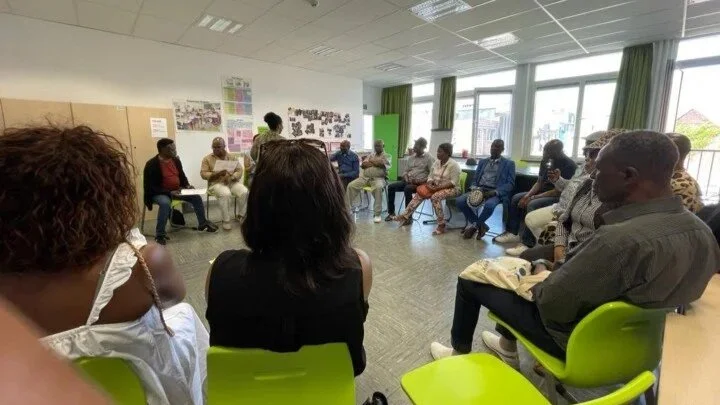
How I work with groups
Clear, warm & restorative
I create learning spaces that are structured enough to feel safe, and open enough for honest reflection.
My approach is:
attuned — noticing what is happening in the room, not only what is planned;
practice-based — using real examples, scenarios and doable next steps;
anti-racist and decolonial — looking at impact, patterns and repair;
protective — no tokenising, no forced disclosure, no debate-club dynamics;
creative — using drama, dialogue and embodied reflection where helpful;
restorative — helping people stay connected to responsibility, dignity and change.
Ways to begin
Start small, build to last
You do not have to start with a large programme. A first step might be:
a 60–90 minute kennismaking or consultation;
a short workshop for staff or students;
a reflective session around one specific issue;
a pilot training for a small group;
a guest session for a class or training programme;
a longer learning journey with follow-up.
We can begin with one clear need and build from there.
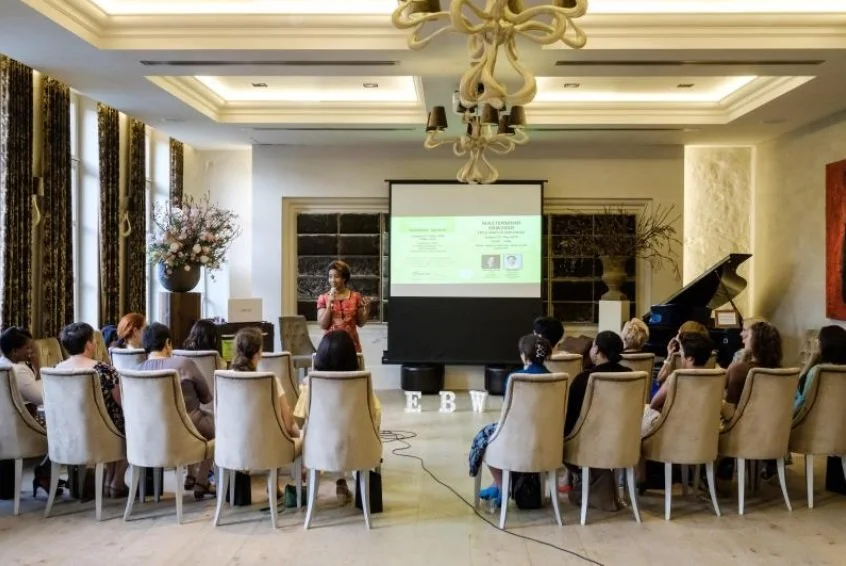
Let’s talk about your setting
Name what is present, explore what is possible
If your team or organisation is trying to strengthen emotional safety, communication, belonging, racial literacy or restorative practice, we can start with a simple conversation.
You can share what you are noticing, what you are hoping for, and what kind of support might feel realistic at this stage.