CULTUVATING THE PRACTICE OF BEING WELL
TOGETHER
The Culture of Being Well
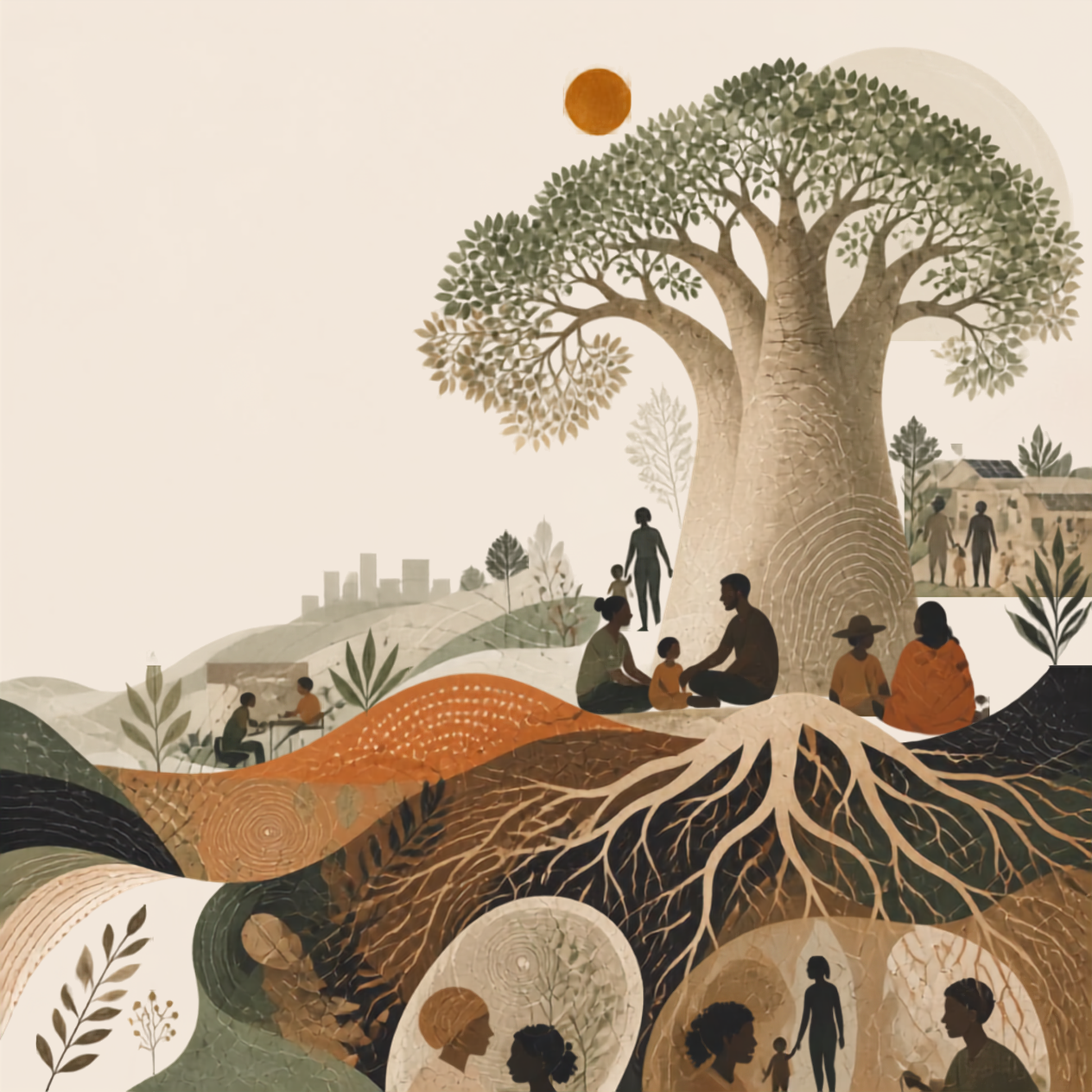
I’ve come to understand culture as something that grows through what we repeat, what we value, what we allow and what we choose to care for. From my own lived experience and observation, being well together begins within: learning to recognise our signals, needs and patterns, and developing the inner leadership, inner peace and inner steadiness to move through changing circumstances without losing connection to ourselves.

Hello. Welcome to my website
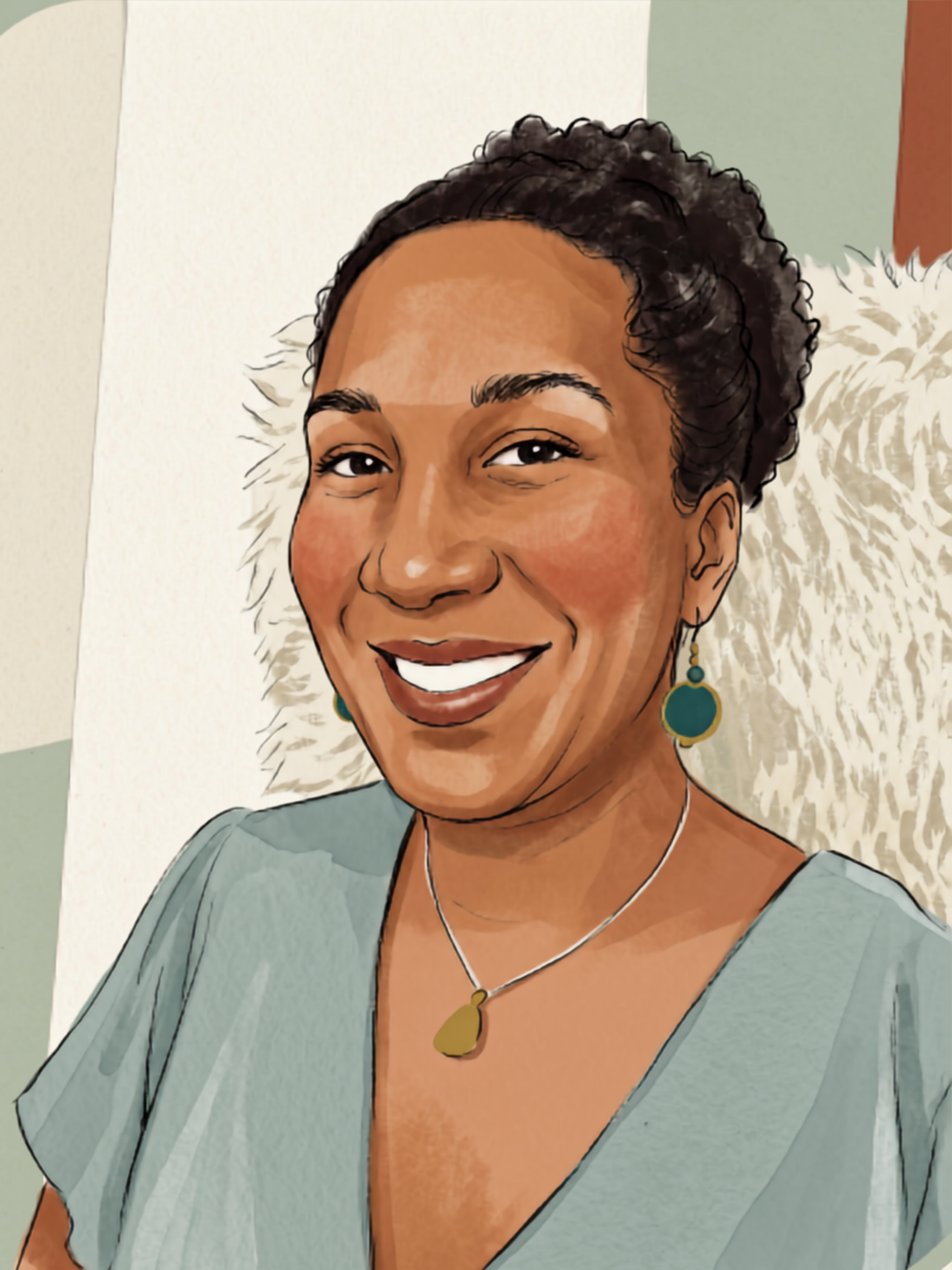
I’m Hyacinth, a cultural wellbeing educator and facilitator with family roots that stretch across the globe. Much of this work has grown through my own evolution: moving through different cultures, roles and stages of life while learning to listen more closely to my body, my responses and what they reveal.
Over time, I have become increasingly convinced by the peace that becomes available when I make space for inner leadership, inner steadiness and a deeper connection to myself. This has shaped my interest in what happens at the edges of belonging, especially when something feels off or when what is considered normal begins to reveal a deeper story.
Through collaboration, facilitation and education, I bring lived experience into conversation with research and cultural knowledge, developing and sharing practices that help us understand ourselves, one another and how we might live, learn and grow well together.
Explore with me what it means to cultivate the practice of being well together.
A Body That Listens
We can spend years learning about the world without learning how to understand the body through which we experience it.
What makes me feel most alive is helping people notice what is already happening within them: the signals, rhythms, tensions, needs and quiet wisdom of the body. I’m interested in what becomes possible when we learn to listen more closely and meet ourselves with greater sensitivity to our inner compass from a place of inner calm.
My work explores how our relationship with the body is shaped by family, education, culture, history and the systems we move through every day. From there, we can begin to make more conscious choices about how we learn, rest, move, care, create and live.
Still Curious?
From here, I invite you to explore the reflections, resources and conversations gathered across this site, and to notice where they meet, affirm, complicate or gently unsettle how you see yourself, other people and the world.
-
Reflections make space for what can easily pass unnoticed.
Growing from three years as an Early Years Educator in a Flemish crèche, my Ground Notes Blog share reflections on what the children, the work and the wider culture of care taught me.
Again and again, the invitation was the same: slow down, notice more, and ask what is really happening here.
-
Education and inquiry follows questions that do not remain neatly inside the classroom.
This section gathers resources that complicate familiar ideas about teaching, authority, progress and belonging.
-
The Living Core explores the body, cycles and seasons. What changes when menstrual, hormonal, seasonal and life cycles are treated as sources of information rather than inconveniences to overcome.