Resources & Inquiry
The Ground We Gather On
This is a gathering place for the questions, resources and conversations shaping my practice. It brings lived experience into contact with research, philosophy, cultural knowledge, spirituality and the work of thinkers who help me see familiar subjects differently.
The resources shared here are not intended to form a definitive curriculum or present a collection of settled conclusions. They are openings: essays, books, talks and ideas that invite further attention.
A highlighted work is not necessarily one I endorse in full. It is one that interrupted an assumption, offered unexpected language or opened a question worth staying with.
Current highlight: What Climate Collapse Asks of Us — Báyò Akómoláfé
Akómoláfé reflects on urgency, crisis and the limitations of responding to complex problems through greater speed and control.
Why it caught my attention: His questioning of urgency speaks to my desire to protect the pace and integrity of inquiry. Slowing down is not indifference or inaction; it may allow us to notice what our fastest solutions repeatedly overlook.
-
Cyclical Knowledge explores what changes when menstrual, hormonal, seasonal and life cycles are treated as sources of information rather than inconveniences to overcome.
This strand is growing alongside my Peaceful Periods Facilitator training in holistic womb care for teens. I am interested in how cyclical awareness might reshape education, care, creativity and working life—particularly within environments organised around consistency, constant availability and linear productivity.
The inquiry brings embodied experience into conversation with research, cultural knowledge and contemporary menstrual-health frameworks. It does not assume that one rhythm, method or account will apply to every body.
Current highlight: In the FLO — Alisa Vitti
-
Education & Inquiry follows questions that do not remain neatly inside the classroom.
Here, education meets philosophy, economics, politics, spirituality, history and culture. I am interested in what educational environments transmit beyond their formal curriculum: whose knowledge is treated as authoritative, what kind of person a system expects us to become and how learning might cultivate responsibility without demanding unquestioning obedience.
This section will gather short reflections, talks and other resources that complicate familiar ideas about teaching, authority, progress and belonging.
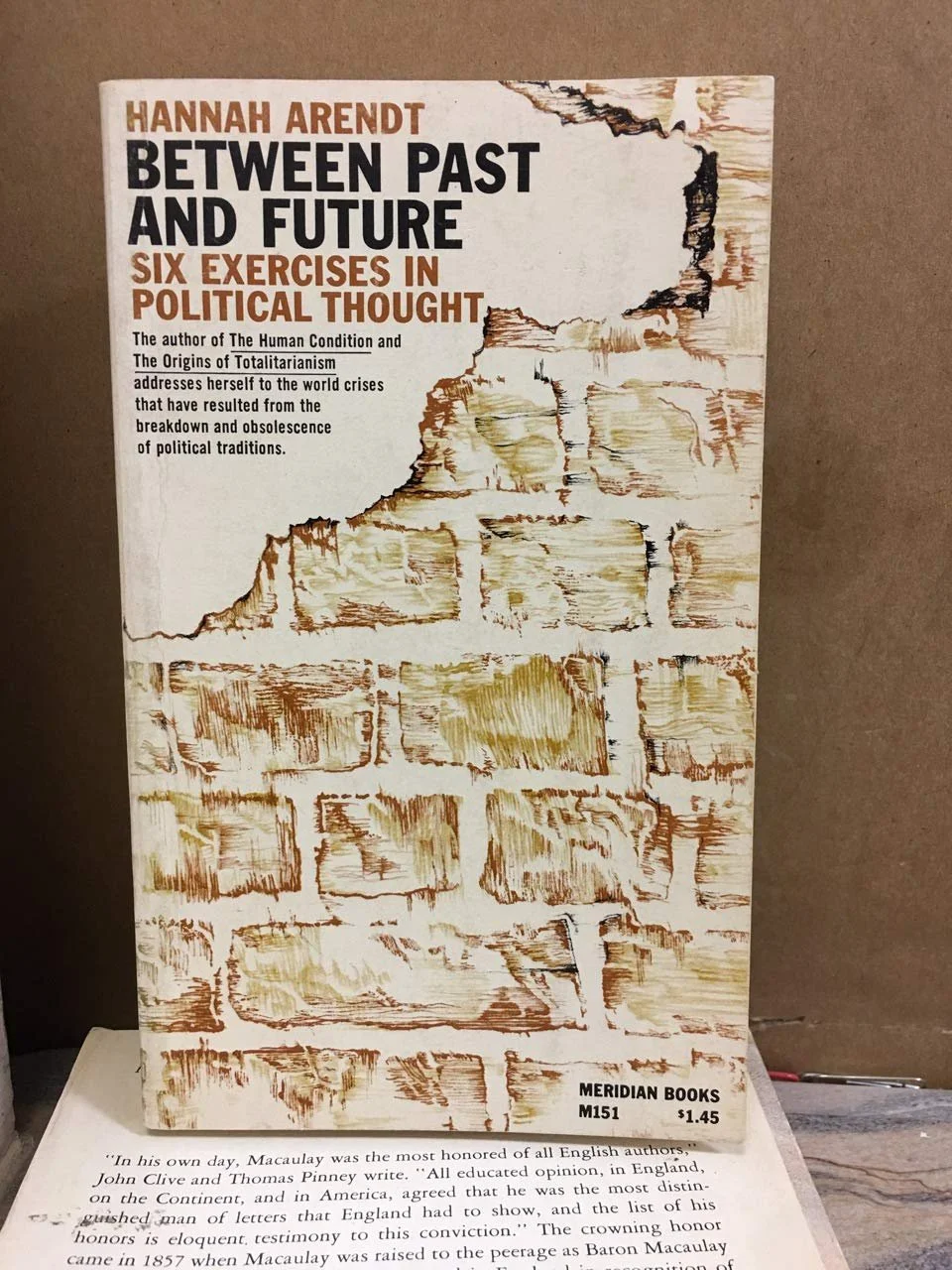
Current highlight: The Crisis in Education — Hannah Arendt
-
Books in Conversation is a space for reading across traditions rather than placing a single author or discipline above the others.
Instead of conventional reviews, I will offer concise notes on the questions a book raises, the assumptions it unsettles and the other voices it calls into the room. A work of political philosophy might sit beside a reflection on care, spirituality, education, economics or embodied knowledge.
The aim is not to produce a final judgement about each book, but to notice what becomes visible when different texts—and the worlds from which they emerged—are allowed to encounter one another.
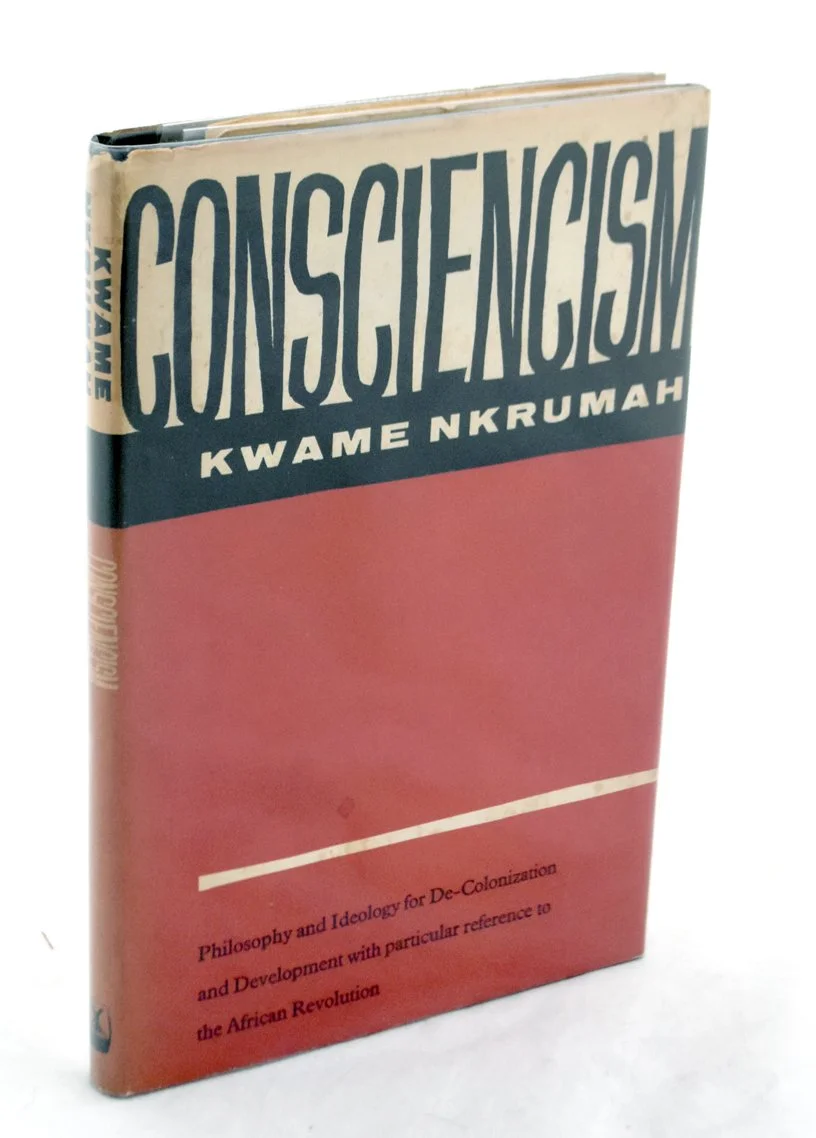
Current highlight: Consciencism — Kwame Nkrumah

Cyclical Knowledge - HIGHLIGHTS
Cyclical knowledge, holistic womb care and resources for understanding the rhythms we live and learn through.
Current highlight: In the FLO — Alisa Vitti
Vitti presents her Cycle Syncing Method, which proposes adapting aspects of food, movement, work and rest to different phases of the menstrual cycle.
Why it caught my attention: The book gave language to something I had already begun to sense: the expectation of identical energy and output every day does not reflect every body’s lived reality. I am less interested in turning cyclical knowledge into another system of optimisation than in asking what education and wellbeing might look like if changing capacity were taken seriously. I hold Vitti’s framework as a starting point to examine alongside research, cultural knowledge and lived experience—not as a universal prescription.

Education & Inquiry - HIGHLIGHTS
An evolving inquiry through education, philosophy, economics, spirituality, culture and history.
Education is never only about what is taught. It carries assumptions about what a human being is, whose knowledge counts, what work is for, how authority is exercised, and what kind of future we are preparing people to enter.
The inquiry gathered here has moved—often by unexpected routes—through philosophy, economics, spirituality, history, culture and lived experience. Hannah Arendt, Kwame Nkrumah, Hilary Cottam, Shola Mos-Shogbamimu, Shahid Bolsen and others do not form a single school of thought, nor do I approach them as authorities who must agree. I am interested in what becomes visible when their ideas meet, interrupt or trouble one another—and when I bring my own experience into the conversation.
Current highlight: The Crisis in Education from Between Past and Future — Hannah Arendt
In this essay, Arendt considers education as a meeting place between children who are new to the world and adults who carry responsibility for the world into which they arrive.
Why it caught my attention: Arendt complicates the relationship between authority and responsibility. Her work helps me ask how adults can take responsibility for boundaries, knowledge and the shared world without treating children as passive recipients—or confusing authority with ownership of their responses.

Books in Conversation - HIGHLIGHTS
The question I brought to these books
What each writer helped me to see
Where their ideas meet
Where I hesitate or resist
What I am carrying forward
Current highlight: Consciencism — Kwame Nkrumah
Nana Osagefo Nkrumah develops a philosophical response to African societies shaped by the simultaneous presence of Indigenous African traditions, Islam and Euro-Christian influence, asking how a decolonising society might work with these inherited and sometimes conflicting forces.
Why it caught my attention: I carry cultural and intellectual inheritances that do not always fit together neatly. Nkrumah’s attempt to think from within such contradiction interests me— because it refuses to pretend that colonial, spiritual and ancestral inheritances can be understood separately from one another.