
A Closer Look At “Micro”
I have struggled with the word microaggression because there is often nothing small about its effect. But perhaps the word micro becomes useful if I think of it not as the size of the harm, but as the speed at which ranking can happen.
A look. An interruption. A slight change in tone. Who is believed first. Who is listened to more carefully. Who receives warmth and who receives suspicion. Who is assumed to know and who is expected to prove.
Sometimes the ranking happens almost before we know we have done it. That is what the term calls up for me: a ranking reflex.
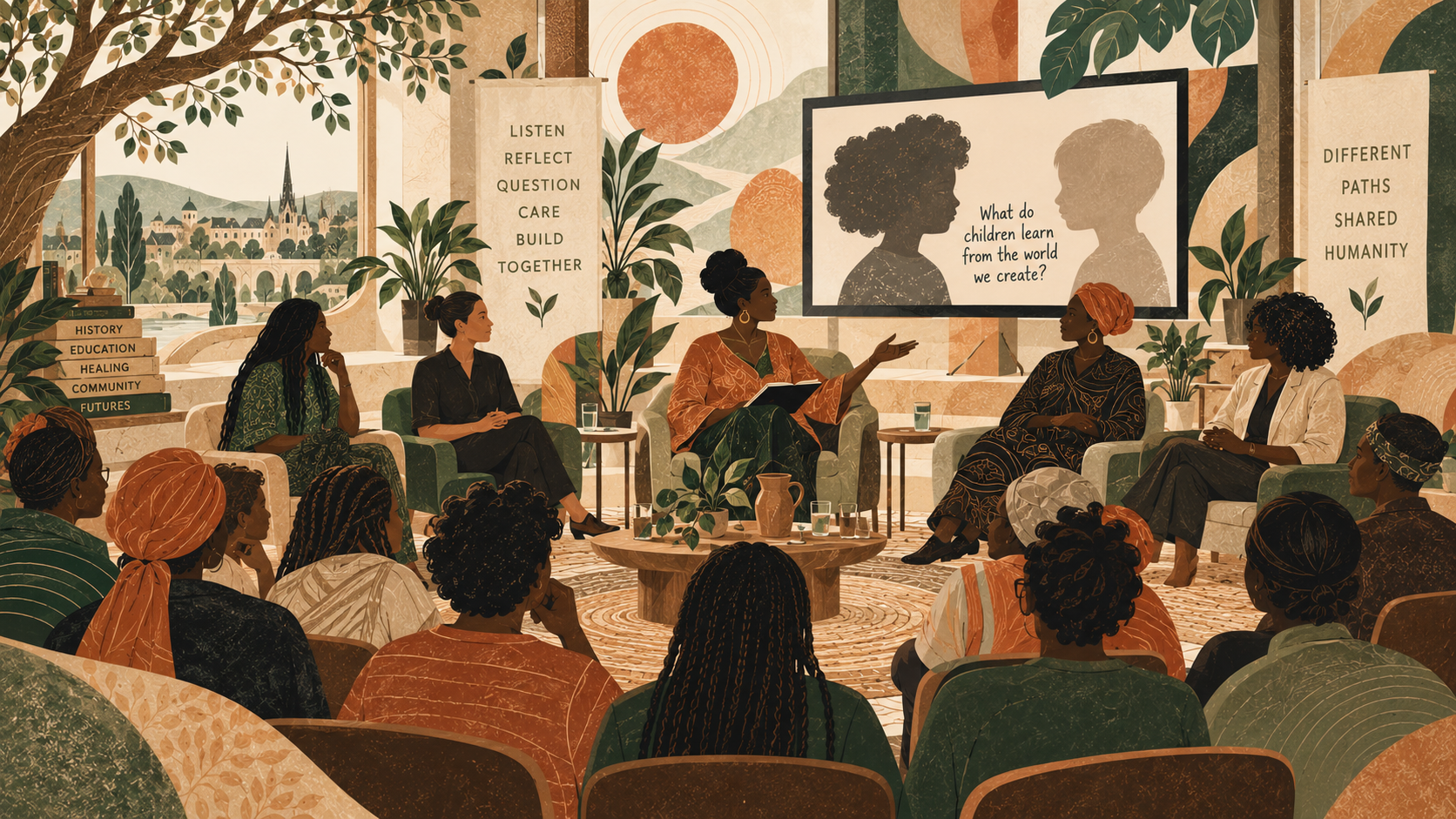
Audacity of presumed innocence
Racism is not an undiscovered phenomenon. Neither are its effects upon children. So when does “we did not know” cease to be an explanation for funded and distributed media content?
And when does somebody else's ignorance begin creating work, distress and exposure for the people who are already living with what has supposedly not been understood?

Scrambling The Filing Cabinet
Imagine history has been filed like this:
Belgium.
Britain.
France.
The Netherlands.
Germany.
The United States.
Schooling often teaches us by opening one drawer at a time.
Voorbij Racisme: Beyond What, Exactly?
I know how easily beyond racism can become an aspiration for the person experiencing it.
Become resilient enough.
Educated enough.
Self-aware enough.
Professional enough.
Spiritually grounded enough.
Carry on.
Some days this resembles a sophisticated version of fake it till you make it.

The Rumble Beneath the Lesson
Today, on this cool holiday afternoon, I decided to put on a documentary about Africa’s looted art.
I was not undertaking a research project, nor was I preparing to write anything. I was simply watching a well-referenced documentary account of historical facts first presented to me in another YouTube video earlier this year.

Tending to Inherited Ground
While updating my website and interacting with its AI features, I found myself declaring that I am moving away from Jones—the birth surname I inherited through my father’s family—and towards Mensah-Maes. Because I am someone whose lived experience carries many contradictions, this felt like a subject worthy of exploration. And so this reflection enters the blog today.
Writing from Within the System of Daycare
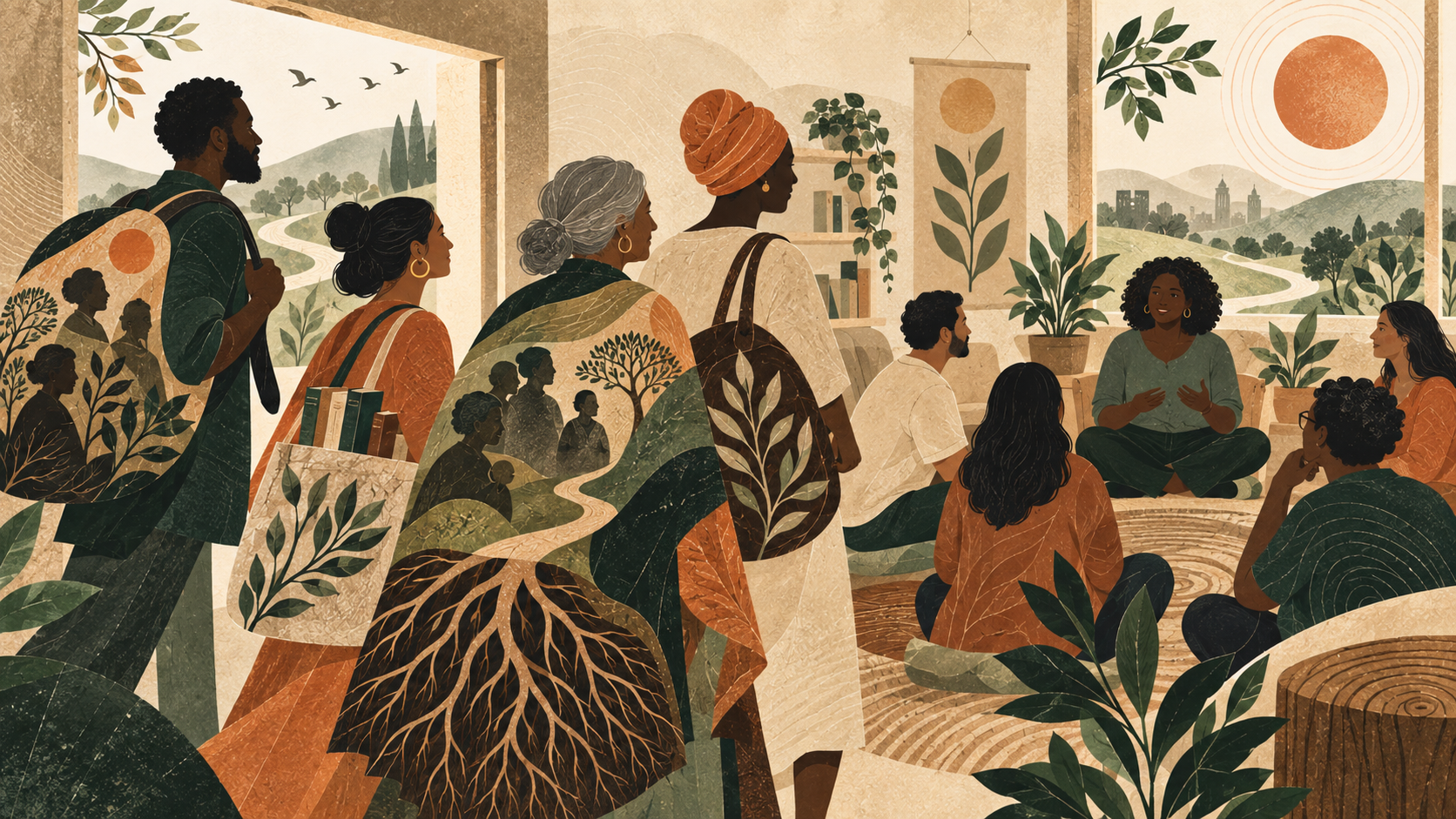
As I begin this series, I am aware that some Flemish readers may feel analysed by what I write.
I will be noticing cultural patterns, workplace habits and familiar ways of speaking about children. But I was not standing outside the crèche with a clipboard, studying other people from a safe distance.
I was working inside it.

Negotiation Is Not the Same as Safety
During a recent conversation among friends, a woman reflected, only half-jokingly, that she had failed to teach her two teenage children not to fight. Her children, seventeen and eighteen, were present. The seventeen-year-old explained that because their mother had been so against them arguing, they had learned to do it behind her back.

Following the Reaction to Its Roots
Nonviolent Communication offers one way of slowing ourselves down during conflict. We are invited to notice what happened, name how we feel and recognise what we need.
Many adults can begin with:
I feel angry when the children fight… But the more revealing part often comes after “because...”
When the children fight… I feel frightened BECAUSE I need to know that nobody will be hurt.
Learning What to Do With “No”
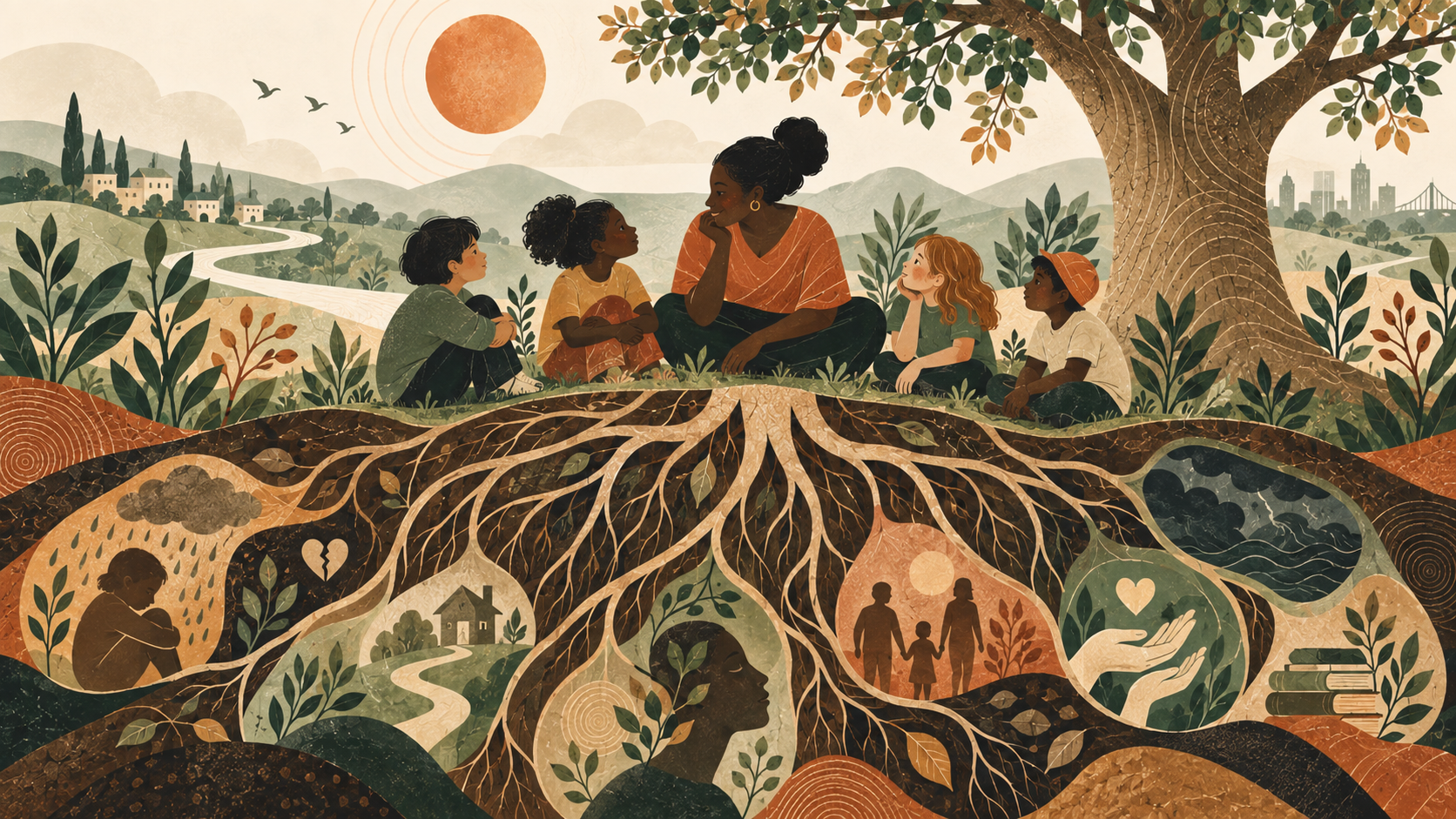
One child was riding a bicycle in the garden. Another child wanted it. Rather than waiting or seeking help, the second child pulled the first child away, climbed onto the bicycle and rode off. The child left behind began to cry.
My first responsibility was to attend to the child who had been pulled away. But the moment also raised another question:
How could I stay with the child who had taken the bicycle without softening what had happened or turning that child into the problem?

Rooted in The Moment
On one particularly demanding day, we cared for ten babies and fourteen toddlers. A handful attended for only half a day. Even so, it was a lot to hold. Some children were restless and irritable due to the onset of illness - in a few of those cases, especially if the child happened to have a high temperature, we could call the parents to arrange for the child to go home earlier.

Reflection Before Resolution
In busy families, classrooms and childcare settings, pausing can feel like a luxury. There are meals to prepare, transitions to manage, several children needing attention and often very little emotional or practical space around the adult.
Urgency encourages us to decide quickly what a behaviour means and what must be done about it. Yet a pause does not have to be long. It might be one breath, a hand resting against a table, or a moment of noticing the tension gathering in our shoulders before we speak.