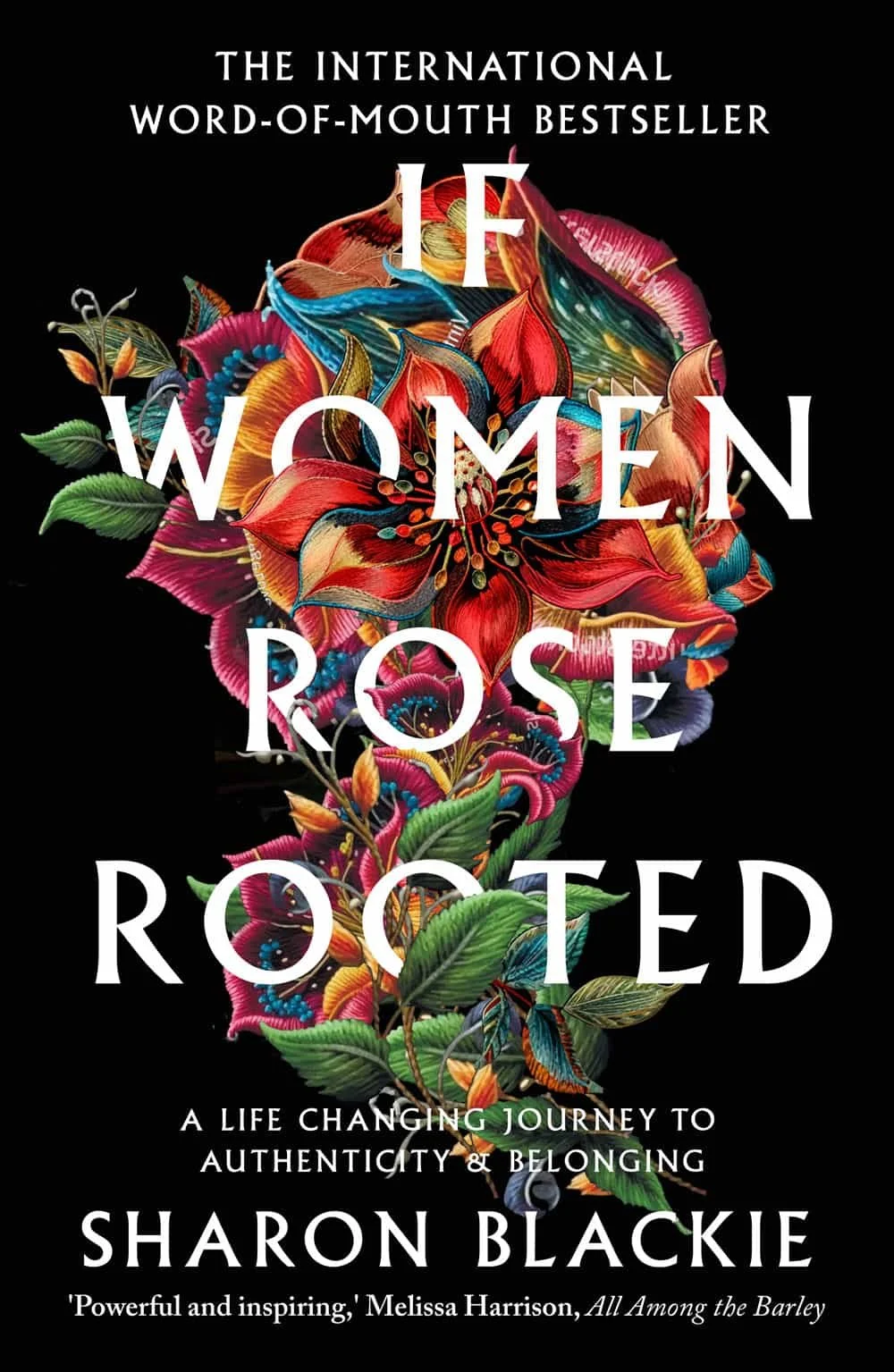
Books in Conversation
Books in Conversation is a space for reading across traditions rather than placing a single author or discipline above the others.
Instead of conventional reviews, I will offer concise notes on the questions a book raises, the assumptions it unsettles and the other voices it calls into the room. A work of political philosophy might sit beside a reflection on care, spirituality, education, economics or embodied knowledge.
The aim is not to produce a final judgement about each book, but to notice what becomes visible when different texts—and the worlds from which they emerged—are allowed to encounter one another. I will try to elaborate on:
What each writer helped me to see
Where their ideas meet
Where I hesitate or resist
What I am carrying forward


In the Spotlight
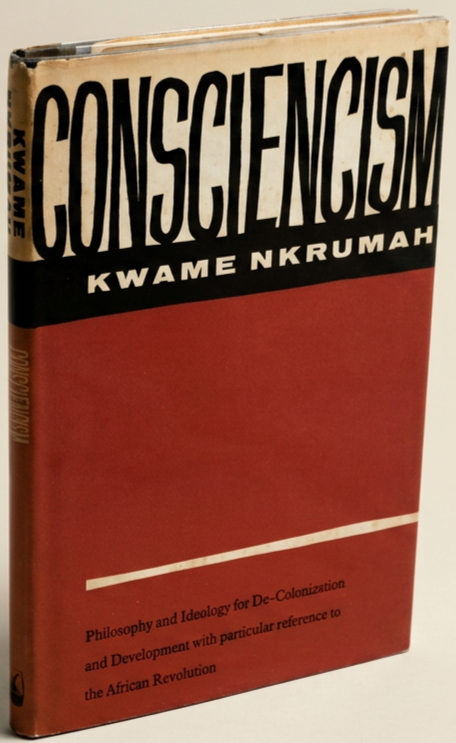
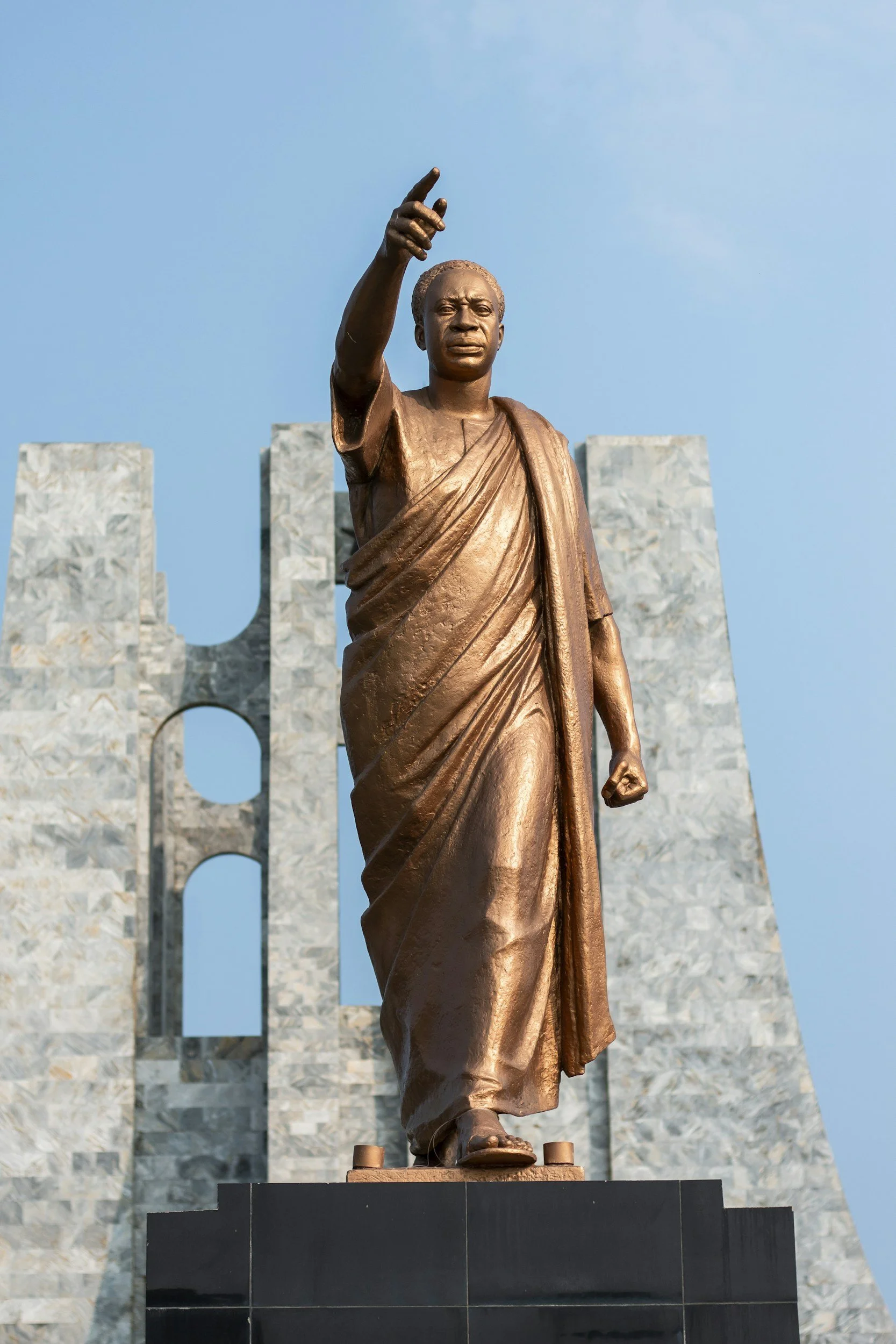
Consciencism — Kwame Nkrumah
Nkrumah develops a philosophical response to African societies shaped by the simultaneous presence of Indigenous African traditions, Islam and Euro-Christian influence. He asks how a decolonising society might work with these inherited and sometimes conflicting forces while building its own political and social direction.
Why it caught my attention: I carry cultural, spiritual and intellectual inheritances that do not always fit together neatly. Nkrumah’s attempt to think from within such contradiction interests me because it refuses to pretend that colonial, spiritual and ancestral inheritances can be understood separately from one another.
What the writer helped me to see: Political independence does not, by itself, decolonise the ideas through which a society understands and organises itself. Nkrumah treats philosophy as something lived: it shapes institutions, relationships, economic choices and the futures a society considers possible.
Where his ideas meet Alisa Vitti’s In the FLO: At very different scales, both question systems that present one pattern as universal. Vitti challenges expectations of constant daily capacity that overlook cyclical bodily change; Nkrumah challenges imported frameworks that overlook the historical and cultural composition of African societies.
Where I hesitate or resist: I hesitate where the work of holding several inheritances moves towards gathering them beneath one ideological direction. Shared purpose may be necessary, but coherence can become another form of pressure if it leaves insufficient room for difference, embodiment and knowledge that cannot be made to fit neatly.
What I am carrying forward: I am carrying the understanding that no social or educational framework is neutral: each grows from particular assumptions about people, knowledge and progress. The question staying with me is: How might we create coherence without demanding sameness?
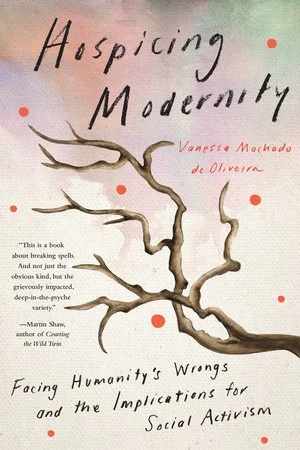
Hospicing Modernity — Vanessa Machado de Oliveira
Machado de Oliveira asks what becomes possible if modernity—organised around separation, extraction, control and a singular story of progress—is not simply a damaged project to be repaired, but something whose ending must be accompanied. Hospicing means neither destroying nor preserving it, but learning from its failures while making room for what has not yet taken form.
Why it caught my attention: The word hospicing interrupted me. It offers a way of meeting endings without turning them into another project of mastery, while bringing modernity close enough to notice in our bodies, relationships and everyday habits—not only in institutions.
What the writer helped me to see: Modernity can repeat through the urgency, certainty and control we bring to our attempts to change it. The book also helped me consider education as a question of denial as well as knowledge: more information does not necessarily transform what we are unwilling or unprepared to face.
Where her ideas meet Nkrumah’s Consciencism: Both writers refuse the idea that colonialism ends with political independence. Nkrumah seeks a coherent philosophy through which a decolonising society might reconstruct itself; Machado de Oliveira asks what must be released before something genuinely different can emerge.
Where I hesitate or resist: I hesitate around the certainty that modernity is dying when its institutions remain powerful, adaptable and capable of continuing harm. I also hold the language of collective complicity carefully: we may all be entangled, but we do not benefit from, administer or endure these systems in equal measure.
What I am carrying forward: I am carrying the invitation to notice what I continue to feed, even while believing I am resisting it. The question staying with me is: What am I trying to keep alive because I have not yet learned how to accompany an ending?

The Bookshelf