Films in Conversation
Films in Conversation is a space for watching beyond the plot: noticing what the camera reveals, what the story asks us to accept and whose life remains at the edge of the frame.
These are not conventional reviews. I am interested in film as a site of unlearning—how it shapes our understanding of belonging, power, history and one another. Sometimes a film needs solitude; sometimes trusted company; sometimes a wider, carefully held conversation.
The question is not simply whether a film is “good,” but what it opens, unsettles or asks us to carry forward. Each spotlight may consider:
Why this film?
What does the camera make visible?
What felt innovative—and what might it inspire?
What changes when it sits beside another film?
What remains outside the frame?
Who might I watch it with?
What conversation might follow?
What question remains?

In the Spotlight
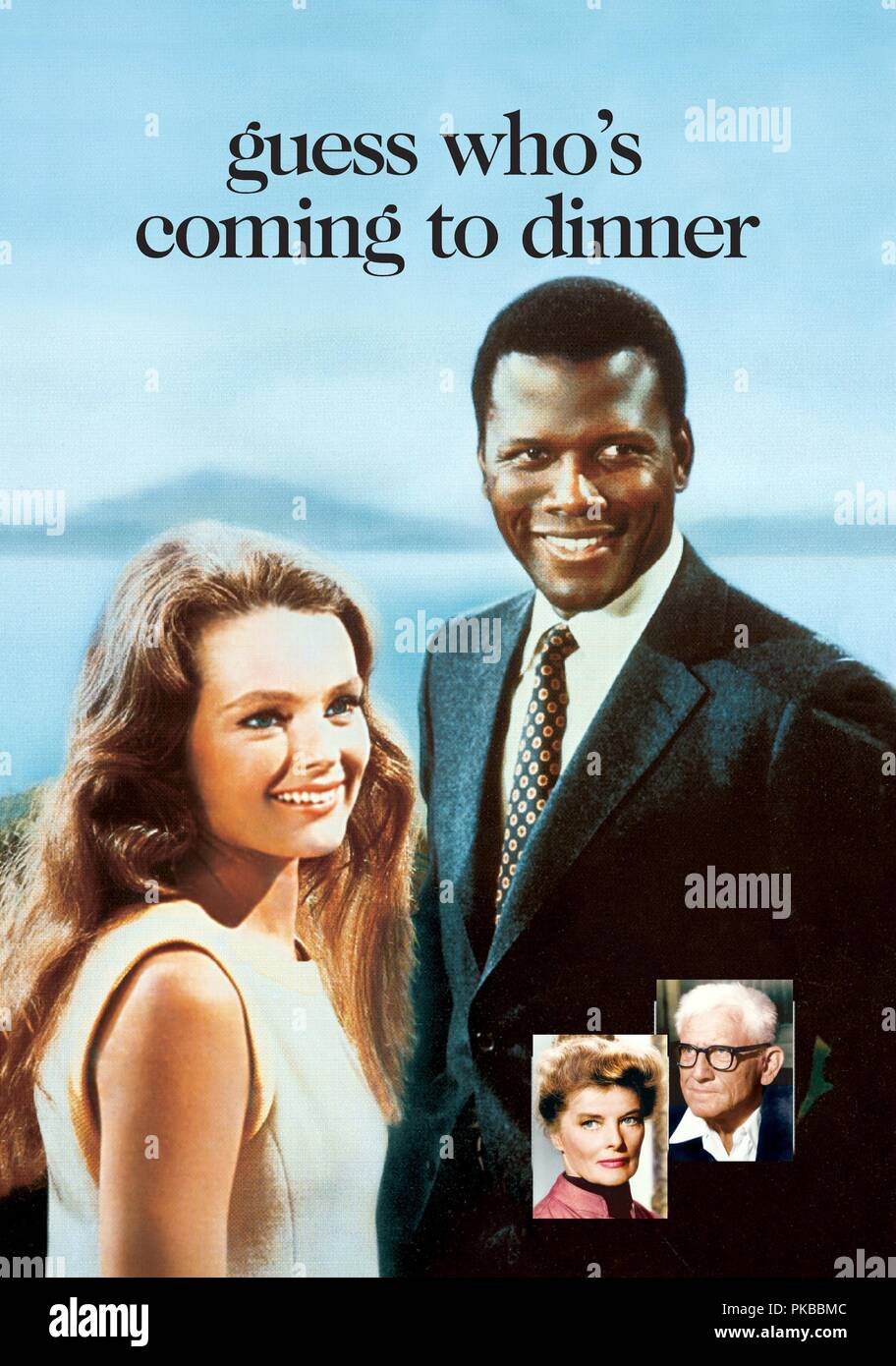
Guess Who’s Coming to Dinner — Stanley Kramer
When Joanna Drayton returns home engaged to Dr John Prentice, her liberal white parents must discover whether equality is a principle they support at a distance or something they can welcome into their family. The film places interracial love inside a household whose progressive self-understanding is suddenly put under pressure.
Why this film? It turns public belief into a private encounter. The unlearning begins within people who do not consider themselves prejudiced, but whose openness changes when a Black man arrives not as an abstract equal, but as their daughter’s chosen family.
What does the camera make visible? Prejudice does not always announce itself through open hostility. It can shelter inside concern, caution, practicality and the belief that resistance is merely protection from a difficult world.
What felt innovative—and what might it inspire? Its innovation lies less in cinematic form than in placing interracial marriage before a mainstream 1967 audience and making a respectable liberal household the site of examination. It inspires me to consider what becomes possible when the camera turns away from the obvious racist villain and towards the distance between people’s professed values and their embodied responses.
What changes when it sits beside A Bronx Tale? Both films use interracial love to reveal the racial boundaries maintained by families and neighbourhoods. In each, however, the Black character also risks becoming the test through which a white or Italian-American protagonist demonstrates moral growth—raising the question of whose transformation the story is organised around.
What remains outside the frame? John is made almost impossibly accomplished, dignified and composed, as though a Black man must be exceptional before acceptance can be contemplated. The film also places the two families’ objections alongside one another without fully accounting for the different histories beneath white resistance and Black parental caution.
Who might I watch it with? I might first watch it alone or with a small circle of trusted friends, allowing responses to form without the pressure to explain, reassure or perform agreement. A mixed viewing could be valuable when thoughtfully facilitated, with enough care that Black viewers are not expected to educate the room or provide evidence for what the film leaves unsaid.
What conversation might follow? The inquiry needs to travel beyond whether we would personally approve of the marriage. The ending can make parental permission feel like resolution, when the connecting conversation concerns who receives interiority, why John must be exceptional and how the story might change if he and his family organised the camera from their own centre.
Who is allowed to be ordinary—and who is still being asked to carry the lesson?
A Bronx Tale — Robert De Niro
Calogero grows up in a Bronx neighbourhood shaped by family loyalty, organised crime, masculine authority and racial boundaries. Pulled between the steady values of his bus-driver father, Lorenzo, and the seductive power of local mob boss Sonny, he is learning what kind of man he might become. His relationship with Jane, a Black girl from a neighbouring community, brings another part of that education painfully close.
Why this film? Beneath its familiar story of fathers, sons and organised crime sits another coming-of-age: Calogero’s incomplete unlearning of racism. His attraction to Jane reaches beyond the boundaries he has inherited, but feeling differently does not immediately free him from the habits, language and loyalties of the world that formed him.
What does the camera make visible? Racism lives not only in declared hatred but in the everyday rules of belonging: who may walk down which street, whose presence is treated as intrusion, who can be desired privately and whether that desire can be defended publicly. Calogero’s hesitation during racial violence matters, but the film also shows that standing slightly apart from harm is not the same as refusing participation in it.
What felt innovative—and what might it inspire? The film places an interracial relationship inside a coming-of-age gangster story, allowing Jane’s presence to interrupt the romance of neighbourhood loyalty. The same community that gives Calogero identity and protection also teaches him whom to fear, exclude and diminish. It inspires me to think about the stories communities tell to make their boundaries appear natural—and what the same streets might reveal if filmed from the windows, homes and memories of the Black families living nearby.
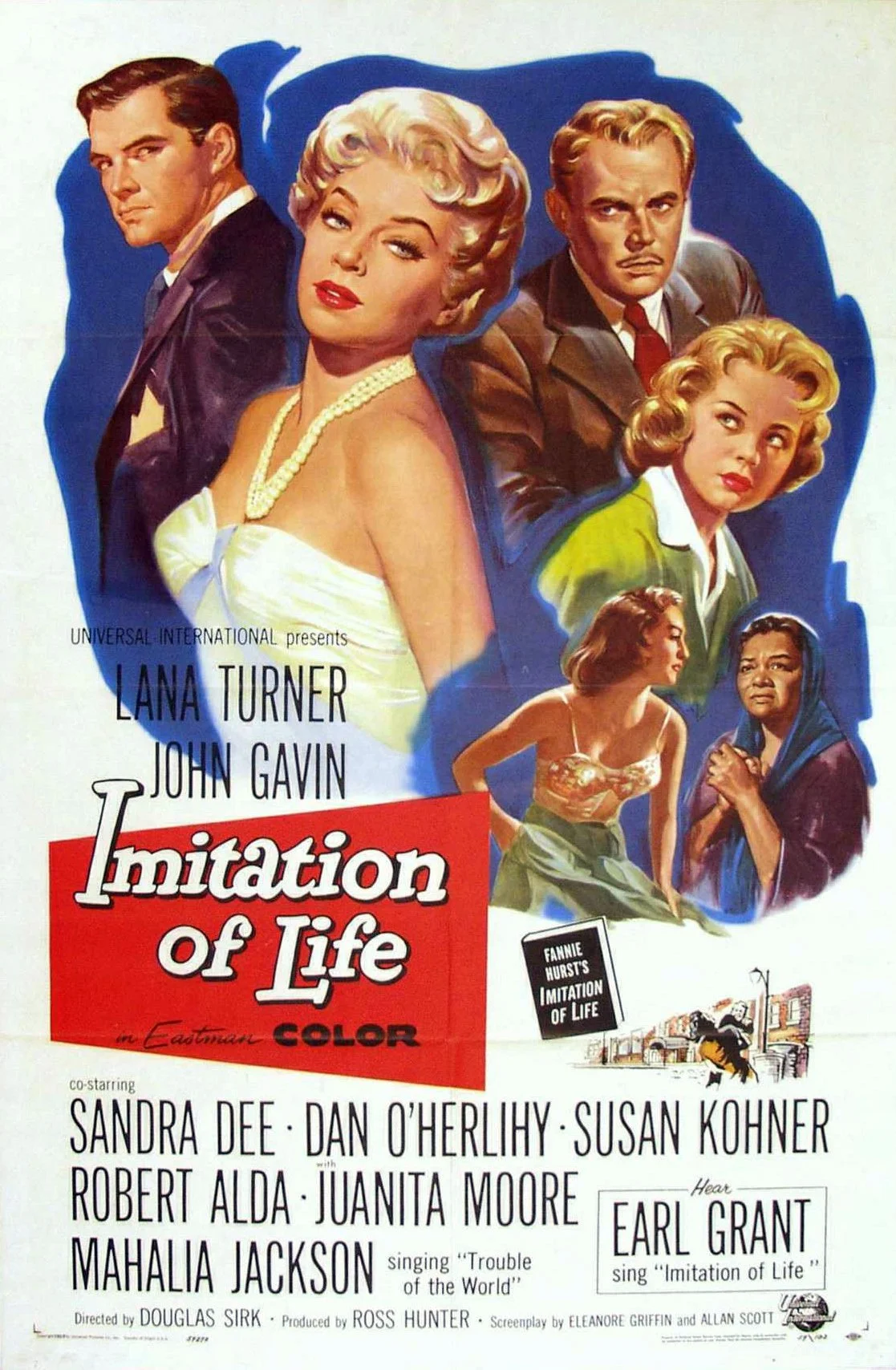
What changes when it sits beside Imitation of Life? Both films explore what happens when racial categories enter love, family and the possibility of being fully seen. In Imitation of Life, Sarah Jane can cross the racial boundary only by passing as white and separating herself from her mother. In A Bronx Tale, Jane does not seek to become less Black; Calogero must decide whether he can meet her beyond what his neighbourhood has taught him.
Sarah Jane is given far more dramatic conflict, but her pain is often understood through the suffering it causes Annie. Jane appears more at ease in her Blackness, yet the film gives us far less access to her inner life. In different ways, both young women remain held inside stories whose emotional and social centres are not entirely their own.
What remains outside the frame? Jane’s family, friendships, neighbourhood and interior world remain largely beyond our reach. We see enough of her to understand what she awakens in Calogero, but not enough to know what it costs her to encounter him within a climate of racial hostility. The film also risks presenting racism as a conflict between two equivalent neighbourhood groups, without fully examining the wider anti-Black structures beneath the hostility. Italian-American men—including those who enact violence—are afforded humour, contradiction, tenderness and moral complexity. The Black characters are asked to carry many of the consequences while receiving much less narrative space.
Who might I watch it with? I could imagine watching it with a small intergenerational group, including older teenagers, because its questions about belonging, masculinity, peer loyalty and moral courage reach beyond the romance. A mixed collective viewing could open a valuable conversation when it does not collapse racial violence into a story of two equally prejudiced communities or ask Black viewers to supply the history the film leaves outside its frame.
What conversation might follow? The conversation needs to travel beyond whether Calogero is “good” or whether love can overcome racism. We might ask when loyalty becomes complicity, why attraction does not necessarily undo prejudice and whose humanity the camera allows to be complicated. Placed beside Imitation of Life, the films also invite us to notice the different ways Black girls and women become catalysts, warnings, wounds or measures of growth within stories organised around someone else.
What would become visible if Jane were no longer the boundary Calogero learns to cross, but the centre of a life the film had chosen to know?

The Film Library