Education & Inquiry
Education and inquiry follows questions that do not remain neatly inside the classroom.
Here, education meets philosophy, economics, politics, spirituality, history and culture. I am interested in what educational environments transmit beyond their formal curriculum: whose knowledge is treated as authoritative, what kind of person a system expects us to become and how learning might cultivate responsibility without demanding unquestioning obedience.
This section will gather short reflections, talks and other resources that complicate familiar ideas about teaching, authority, progress and belonging.
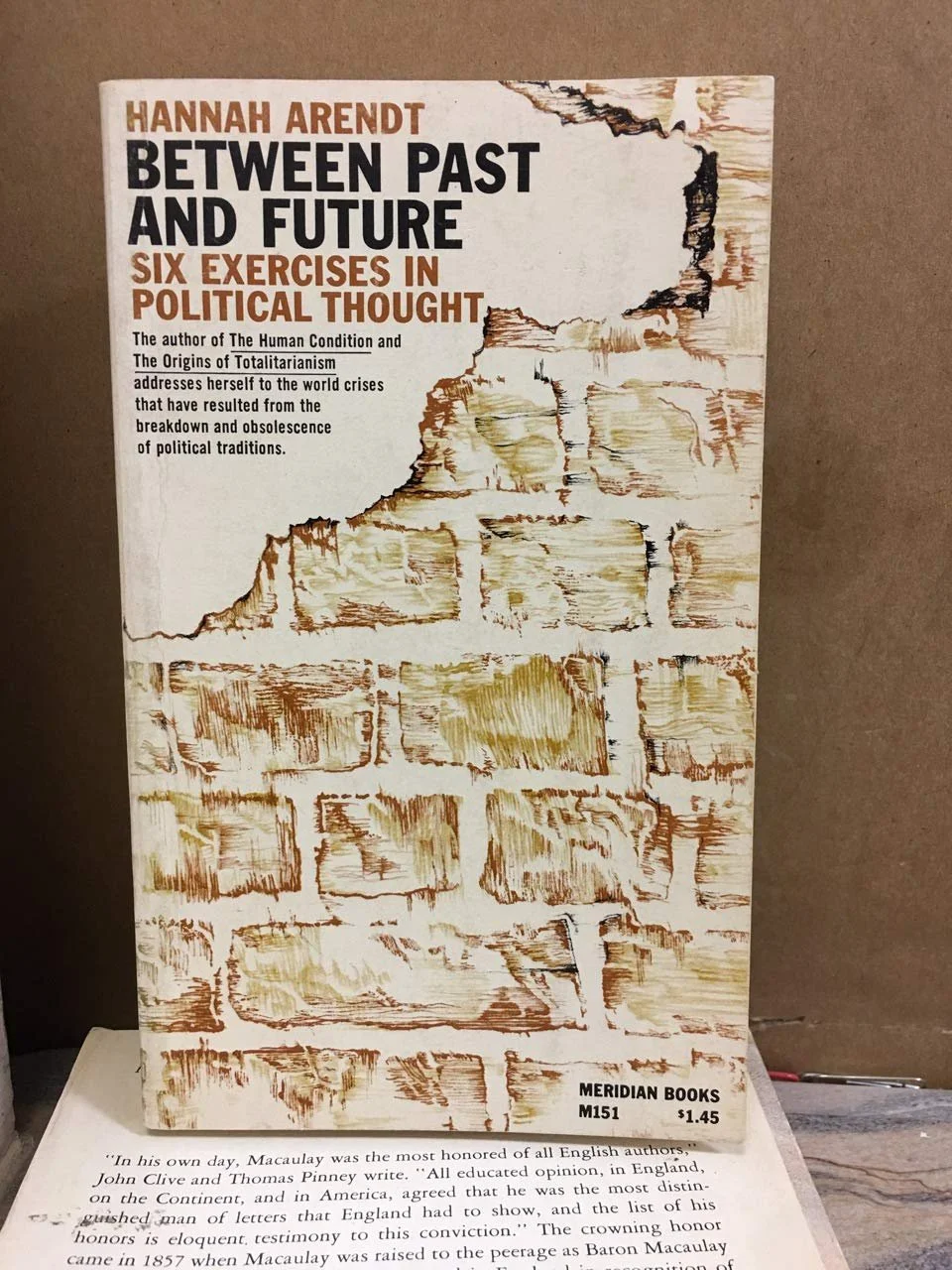
Current highlight: The Crisis in Education — Hannah Arendt

In The Spotlight
An evolving inquiry through education, philosophy, economics, spirituality, culture and history.
Education is never only about what is taught. It carries assumptions about what a human being is, whose knowledge counts, what work is for, how authority is exercised, and what kind of future we are preparing people to enter.
The inquiry gathered here has moved—often by unexpected routes—through philosophy, economics, spirituality, history, culture and lived experience. Hannah Arendt, Kwame Nkrumah, Hilary Cottam, Shola Mos-Shogbamimu, Shahid Bolsen and others do not form a single school of thought, nor do I approach them as authorities who must agree. I am interested in what becomes visible when their ideas meet, interrupt or trouble one another—and when I bring my own experience into the conversation.
Current highlight: The Crisis in Education from Between Past and Future — Hannah Arendt
In this essay, Arendt considers education as a meeting place between children who are new to the world and adults who carry responsibility for the world into which they arrive.
Why it caught my attention: Arendt complicates the relationship between authority and responsibility. Her work helps me ask how adults can take responsibility for boundaries, knowledge and the shared world without treating children as passive recipients—or confusing authority with ownership of their responses.